
Let’s start with the #1 reason reimbursements are denied: documentation.
When a reimbursement can’t be approved, there can be several different reasons. Your Family Notes are where CFEF explains what affected your individual reimbursement and, when possible, what you need to do next.
Over the next several posts, we’ll take a closer look at some of the most common reasons reimbursements are denied—and what families can do to help prevent them.
We’re starting with the biggest one.
NEARLY 6 IN 10 CODED REIMBURSEMENT DENIALS ARE RELATED TO DOCUMENTATION.
The good news? Many documentation issues can be prevented before you ever click Submit.
Complete documentation helps CFEF verify your purchase and can help you avoid unnecessary denials, resubmissions, and delays.
Before submitting, take a few seconds to look at your documentation from the reviewer’s perspective.
THE COMPLETE DOCUMENTATION TEST
Could someone who knows nothing about this purchase understand and verify it from the documentation I provided?
[VISUAL: THE COMPLETE DOCUMENTATION TEST]
WHAT?
What did you purchase or what service was provided?
WHO?
Who sold or provided it? For services, is the student identified when required?
WHEN?
Are the purchase or service dates clear?
HOW MUCH?
Does the amount you’re requesting match your documentation?
PAID?
Does your documentation establish payment as required?
WHICH TRANSACTION?
Can CFEF identify the specific invoice, order or transaction?
WHAT? → WHO? → WHEN? → HOW MUCH? → PAID? → WHICH TRANSACTION?
If something isn’t clear to you, there’s a good chance it won’t be clear to the reviewer either.
PREFER TO SEE IT?
We’ll walk through examples of documentation and show you what a reviewer needs to be able to verify.
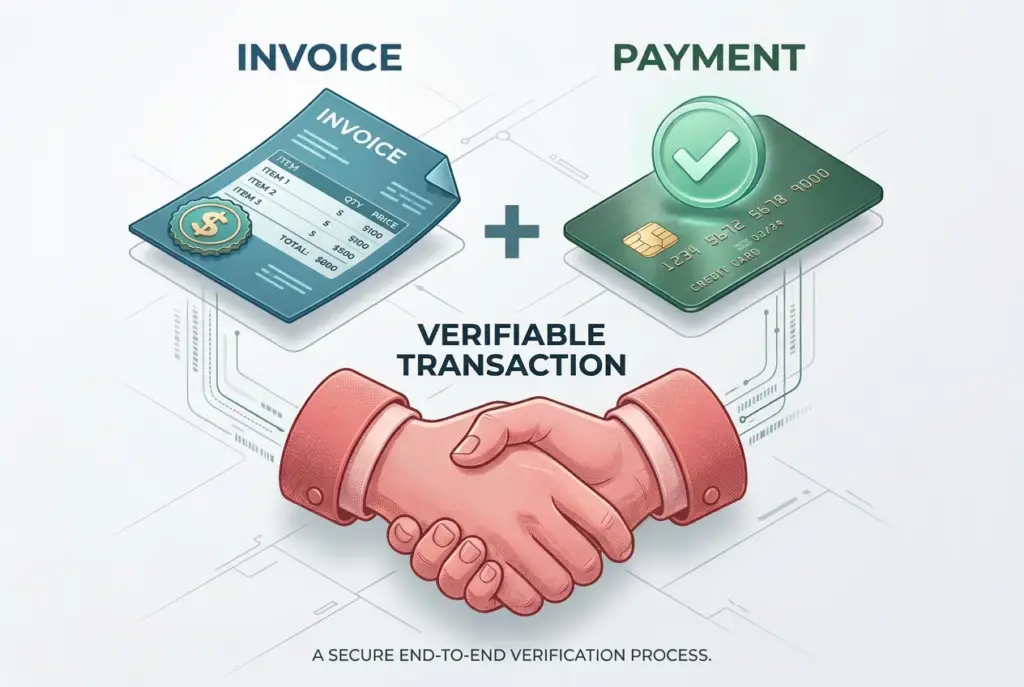
A RECEIPT AND PROOF OF PAYMENT AREN’T ALWAYS THE SAME THING
This causes a lot of unnecessary confusion.
Think of it this way:
Invoice or itemized receipt → What was I charged for?
Proof of payment → Was it paid?
Depending on the transaction, CFEF may need documentation that establishes both.
PAYING A SERVICE PROVIDER?
Tutors, therapists, instructors and other providers use many different billing systems. Their invoices don’t all need to look the same.
What matters is whether the documentation gives CFEF the information needed to verify the expense.
Before paying, check what documentation your provider can give you. If important information is missing, ask whether they can add it.
NO INVOICE NUMBER?
Don’t make one up.
When a provider doesn’t issue an invoice number, the current Scholarship Fund Use Guide explains which alternative identifiers may be used.
Click here to view Current Scholarship Fund Use Guide
ORDERING FROM AMAZON?
Amazon has specific documentation requirements, and an order screenshot may not contain everything required for reimbursement.
The Scholarship Fund Use Guide includes illustrated instructions for obtaining the appropriate Amazon Order Summary PDF and checking the required product links.
IF YOUR REIMBURSEMENT WAS NOT APPROVED
Check your Family Notes first. They explain the reason for your reimbursement decision and, when applicable, what you need to correct.
To find them:
Portal → Reimbursements → Find your reimbursement → View Details → Family Notes
For a denied reimbursement, scroll down to the Rejected Reimbursements section to find it.
Then follow the instructions in your Family Notes and submit a new reimbursement with the corrected documentation.
Please don’t email corrected reimbursement documents to CFEF.
Supporting documentation needs to remain connected to the reimbursement in our system so CFEF has a complete record for processing, accounting and auditing.
Our current system requires you to submit a new reimbursement when documentation needs to be corrected.
BEFORE YOU SUBMIT, REMEMBER:
WHAT? WHO? WHEN? HOW MUCH? PAID? WHICH TRANSACTION?
A few seconds checking your documentation now can save you additional work later.
WHAT’S NEXT?
Documentation is only one reason a reimbursement may not be approved.
Your Family Notes are the best place to understand what happened with your specific reimbursement. In upcoming posts, we’ll break down other common denial reasons and show you what to look for before you submit.
EDITORIAL DATA NOTE
The “nearly 6 in 10” figure is based on reimbursement denials with an assigned denial reason since CFEF began tracking denial codes during the 2026–27 scholarship year. The current tracker shows 696 documentation denials among 1,198 coded denials (58.1%). This note is for internal review and does not need to appear in the published article unless CFEF wants to provide methodology.]